

Understanding the Pelvic Floor and Its Role
The pelvic floor is a group of muscles and connective tissues that support vital organs, including the bladder, uterus, and rectum. These muscles are crucial for everyday functions such as urination, bowel movements, and sexual activity. When working correctly, the pelvic floor maintains continence, provides support for pelvic organs, and enhances sexual health. However, stress—both physical and emotional—can negatively impact these muscles, leading to a variety of problems for women.
How Stress Affects the Pelvic Floor
The Mind-Body Connection
Stress triggers a cascade of hormonal responses known as the “fight or flight” reaction. This process releases cortisol and other stress hormones, which prepare the body for immediate action. What many don’t realize is that this reaction includes the involuntary tightening of pelvic floor muscles.
- Physical stress: Chronic sitting, poor posture, and strenuous physical activity can contribute to increased pelvic muscle tension or weakness.
- Emotional stress: Anxiety, trauma (including childbirth trauma or sexual abuse), and ongoing psychological stress can cause the pelvic floor to stay perpetually contracted, resulting in pain, urinary problems, or sexual dysfunction.
Common Symptoms of Pelvic Floor Dysfunction
Women experiencing stress-induced pelvic floor issues may notice:
- Chronic pelvic pain
- Urinary urgency or frequency
- Difficulty fully emptying the bladder
- Lower back, hip, or abdominal pain
- Incontinence (urinary or bowel leakage)
- Constipation or difficulty with bowel movements
The Role of Physical Therapy in Pelvic Floor Health
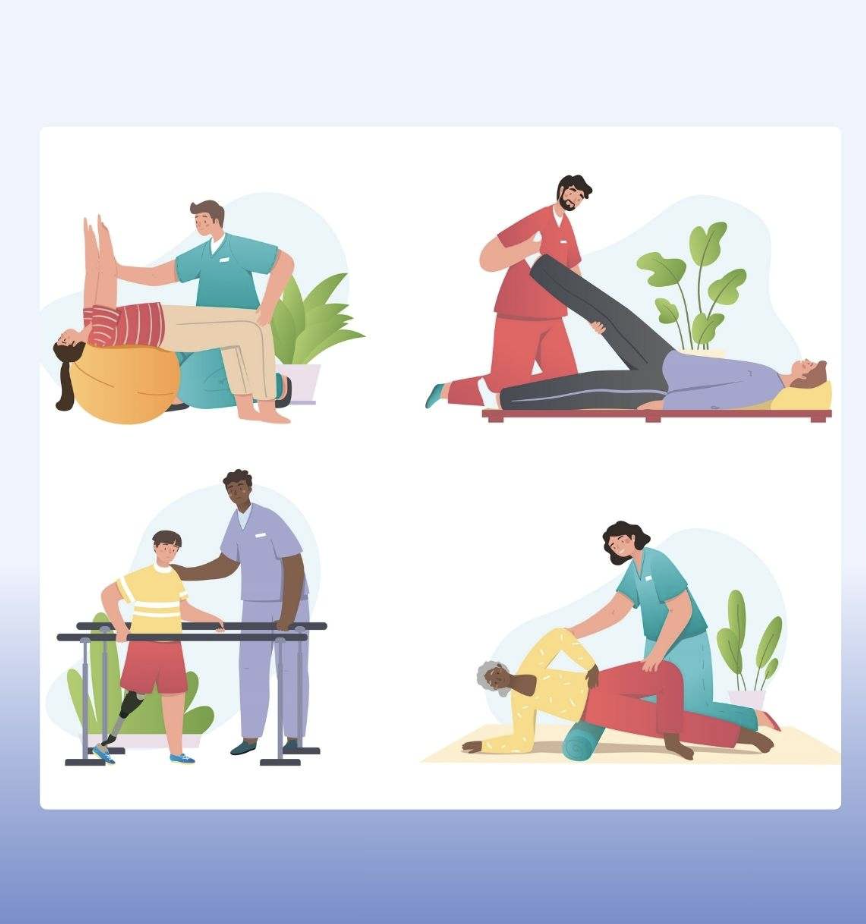
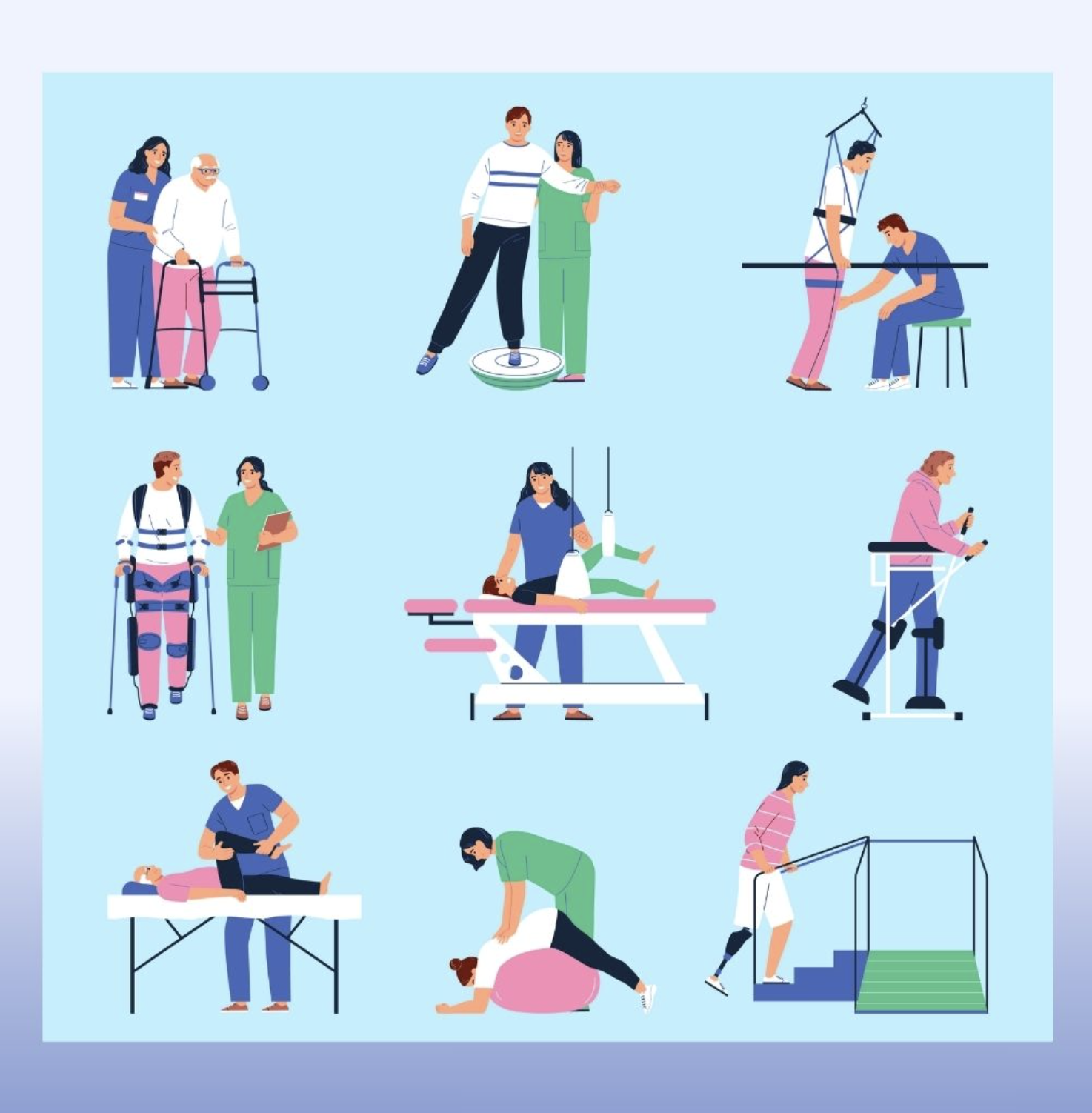
Pelvic floor physical therapy (PT) is a highly effective, noninvasive treatment for women experiencing pelvic floor dysfunction caused or aggravated by stress. At Thrive Physical Therapy, you will get evaluated for strength, endurance, and relaxation of the pelvic floor muscles and a custom plan to address each woman’s needs.
Benefits of Pelvic Floor Physical Therapy
- Pain relief: External manual therapy and relaxation techniques help reduce muscle tension and chronic pain.
- Improved bladder and bowel control: Retraining and strengthening exercises enhance continence.
- Better sexual function: Therapy can alleviate pain during intercourse and increase muscle responsiveness.
- Postpartum and post-surgical recovery: Therapy helps restore function after childbirth or gynecological surgery.
- Enhanced awareness and control: Education and biofeedback empower women to recognize stress triggers and learn to relax their pelvic floor.
Key Therapy Techniques
| Technique | Purpose |
| Kegel exercises | Strengthening, coordinating, and relaxing pelvic muscles |
| Manual therapy | Reducing muscle tension and improving mobility |
| Biofeedback | Promoting awareness and control over muscle activity |
| Relaxation exercises (breathing) | Easing stress-induced tension throughout the body |
Lifestyle Tips to Support Pelvic Floor Health
Alongside physical therapy, women can adopt lifestyle changes to reduce stress and support their pelvic health:
- Practice deep breathing and mindfulness to relax the pelvic floor.
- Avoid prolonged sitting—stand and stretch regularly.
- Gradually increase exercise intensity to avoid overstressing core and pelvic muscles.
- Address sources of emotional stress or trauma with appropriate professional support.
- Stay hydrated and eat a balanced diet to prevent constipation.
Frequently Asked Questions
Is pelvic floor physical therapy painful?
Most women tolerate therapy well. Techniques are tailored to comfort levels, and at Thrive Physical Therapy, we only do external treatments.
Who can benefit from pelvic floor therapy?
Women of all ages—especially those experiencing pain, incontinence, or sexual dysfunction related to stress, pregnancy, menopause, surgery, or life—are candidates for pelvic floor PT.
How quickly will I see results?
Many women notice improvements within a few weeks, but progress depends on individual circumstances and consistency with therapy and home exercises.
Conclusion
Women’s pelvic floor health is intricately linked to both physical and emotional well-being. Stress, if left unmanaged, can cause or worsen pelvic floor dysfunction—but with specialized physical therapy, women can find relief, restore function, and regain confidence. If you’re experiencing persistent pelvic floor symptoms, contact Thrive Physical Therapy to begin your journey to better health and quality of life.
References:
- https://www.webmd.com/women/what-is-pelvic-floor-physical-therapy
- https://www.medicalnewstoday.com/articles/pelvic-floor-physical-therapy-what-to-expect
- https://www.aptapelvichealth.org/info/the-benefits-of-pelvic-health-physical-therapy
- https://thepelvicclinic.co.uk/news/2023/stress-and-pelvic-floor-tension-explained/
- https://www.hingehealth.com/resources/articles/stress-trauma-pelvic-pain/
- https://www.physio-pedia.com/Impact_of_stress_and_cortisol_levels/
- https://kellysthoughtsonthings.com/the-impact-of-stress-and-trauma-on-pelvic-floor-dysfunction/
- https://www.continence.org.au/news/hypertonic-pelvic-floor
- https://www.urmc.rochester.edu/jones-memorial-hospital/services/rehabilitation-services/pelvic-floor
- https://www.ahn.org/services/womens-health/gynecologic-care/pelvic-floor-therapy
- https://petersenpt.com/benefits-of-pelvic-floor-therapy
- https://thephysiospot.ca/blog/f/how-stress-can-impact-the-pelvic-floor



Leave a Reply