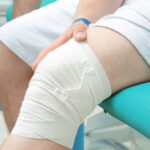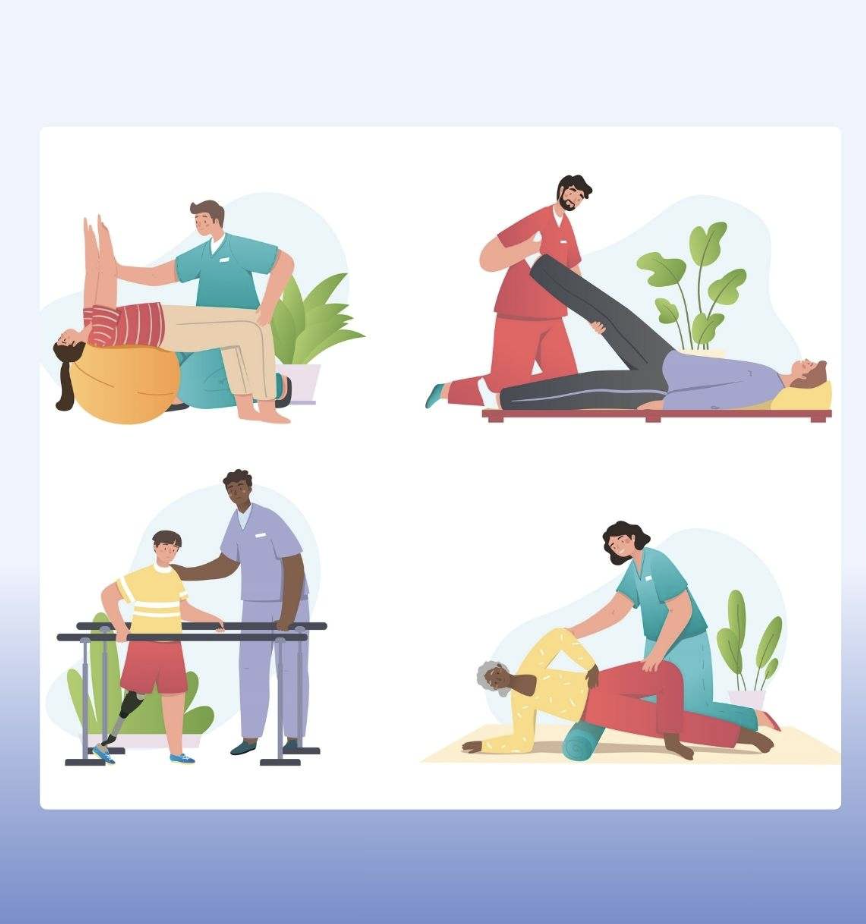
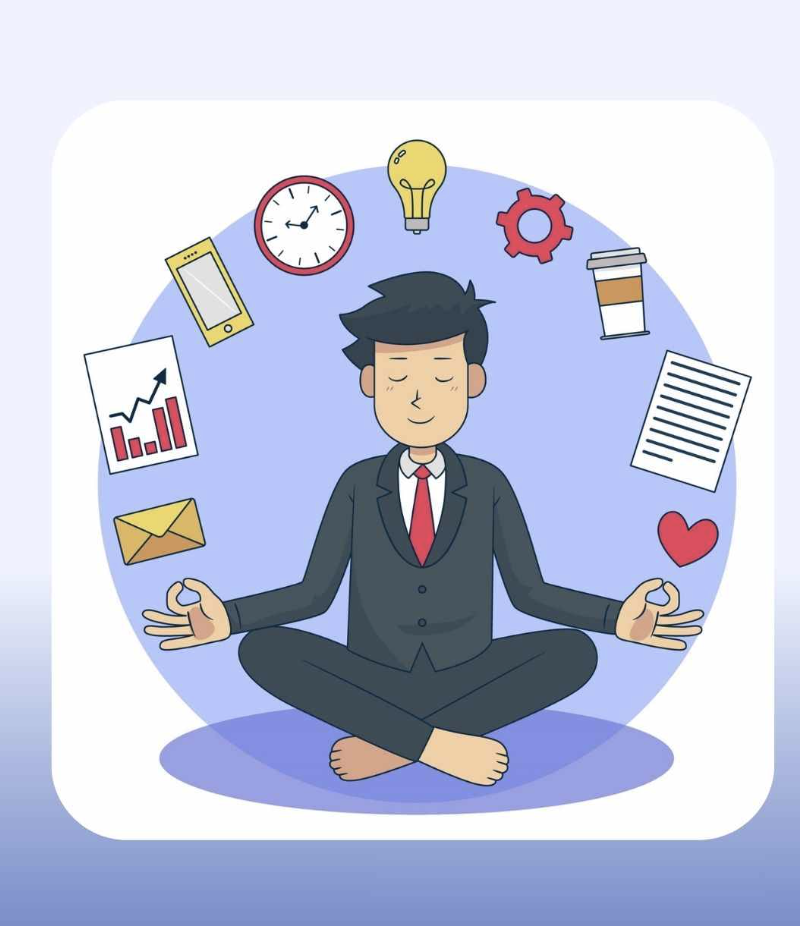
Stress management improves rehabilitation outcomes in patients by reducing inflammation, enhancing immune function, improving emotional resilience, increasing treatment adherence, and significantly reducing clinical complications and recurrence rates. Thrive Physical Therapy knows that life stressors impact the rate of recovery and teaches all patients how to manage their stress. These benefits are observed across a range of therapies, including cardiac, musculoskeletal, and neurological rehabilitation.
Core Ways Stress Management Improves Physical Therapy Outcomes
- Lowers Inflammation and Promotes Healing:
Chronic stress increases the body’s inflammatory response, which slows tissue repair and can worsen conditions like arthritis or injury. Stress management techniques help lower inflammation and improve healing outcomes. - Boosts Immune Function:
Effective stress management enables the immune system to respond more effectively, supporting faster tissue repair and reducing infection risk. - Improves Emotional Resilience and Coping:
By managing stress, patients gain better emotional control, helping them cope with pain, setbacks, and uncertainty during recovery. This leads to increased motivation and a more positive outlook, both critical for maintaining engagement with therapy programs. - Enhances Treatment Adherence:
Patients with lower stress levels are more likely to complete prescribed exercises and attend therapy sessions, directly supporting functional improvement. - Reduces Pain and Improves Sleep Quality:
Stress increases pain perception and disrupts sleep, which can hinder rehabilitation. Stress-reducing practices—such as mindfulness and relaxation—improve sleep quality and decrease pain, facilitating recovery. - Decreases Risk of Recurrence and Complications:
In cardiac rehabilitation, incorporating stress management can cut the risk of new cardiac events in half when compared to standard rehab alone, and reduces mortality and major cardiac complications. Stress management provides measurable improvements in clinical outcomes and quality of life in both the short and long term.
Key Stress Management Techniques
- Mindfulness-based stress reduction
- Guided relaxation and breathing exercises
- Cognitive-behavioral interventions
- Physical activity and exercise
- Social support and peer counseling
- Art, music, or leisure therapies
Conclusion
Integrating stress management into physical therapy not only accelerates physical healing but also improves overall well-being, treatment adherence, and the chance of long-term recovery success. All rehab programs benefit from including structured stress-reduction strategies, regardless of the patient’s baseline stress level.
Reference:
- https://cityorthosports.com/blog/the-importance-of-stress-management-for-health-and-recovery/
- https://pmc.ncbi.nlm.nih.gov/articles/PMC9899067/
- https://corporate.dukehealth.org/news/adding-stress-management-cardiac-rehab-
- https://pmc.ncbi.nlm.nih.gov/articles/PMC4824555/
- https://journals.lww.com/ebp/fulltext/2009/11000/does_stress_management_improve_
- https://www.feldmanphysicaltherapy.com/how-does-stress-affect-your-healing/
- https://www.stjamesrehab.com/blog/the-benefits-of-stress-management-
- https://craighospital.org/resources/stress-management-stress-reduction-and-relaxation