What is Pain Neuroscience Education?
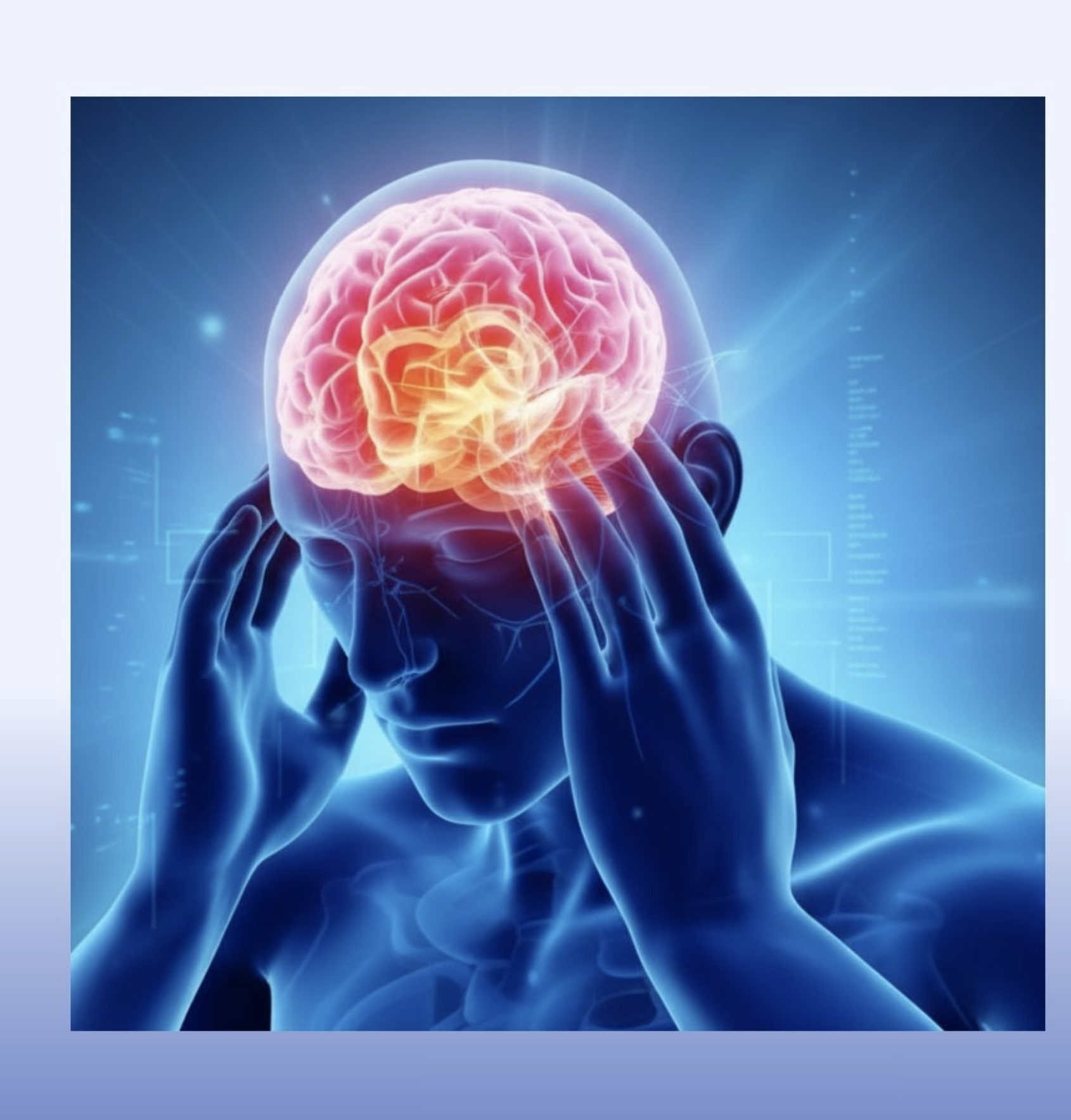
Pain neuroscience education (PNE) is an evidence-based approach that teaches individuals about the biological and physiological processes behind their pain. This moves away from traditional models that view pain solely as a result of tissue damage or injury. PNE empowers patients to understand that pain is processed by the nervous system, influenced by many factors, and is not always a sign that damage has occurred.
At Thrive Physical Therapy in Olathe, Kansas, PNE is a crucial component of treatment.
Why Pain Neuroscience Education Matters in Physical Therapy
Traditional physical therapy often targets the site of pain with specific exercises or modalities. In contrast, integrating PNE with conventional physical therapy shifts the focus to the root causes—the nervous system and pain processing mechanisms. This comprehensive understanding helps address the psychological, emotional, and physical dimensions of chronic pain.
Key Benefits of Combining PNE and Physical Therapy
- Reduces pain intensity: Patients receiving combined PNE and physical therapy report significantly lower pain scores compared to physical therapy alone.
- Improves function: Physical activity and functionality increase as patients gain a better grasp of their pain and learn safe movement strategies.
- Decreases disability: Disability scores drop as patients experience less fear and avoidance of movement, becoming more active participants in their recovery.
- Reduces negative pain beliefs and fear: Education helps minimise fear of movement (kinesiophobia), negative pain beliefs, and feelings of helplessness, leading to better treatment adherence and outcomes.
- Promotes long-term benefits: Improvements in pain and function are maintained over time, highlighting the sustained effects of this educational approach.
How Pain Neuroscience Education Works
- Explaining Pain Mechanisms: Patients learn about how the brain and nervous system interpret signals and how pain isn’t always a sign of damage.
- Challenging Misconceptions: By debunking myths about chronic pain and injury, patients reduce their fear and anxiety around movement.
- Facilitating Safe Movement: PNE encourages graded activity—slowly increasing movement and exercise to build tolerance and confidence.
- Integrating Lifestyle Changes: Education often includes guidance on stress management, sleep hygiene, and effective coping strategies to promote overall well-being.
Real World Impact: Research Highlights
- A randomized controlled trial combining PNE and exercise for chronic back pain showed a 50% reduction in reported pain, less attention to pain, and improved physical and mental function—outperforming standard physical therapy alone.
- Systematic reviews indicate that average pain scores decrease from 5.89 pre-intervention to 3.03 post-intervention with integrated PNE, and disability scores also show significant improvements.
- Positive psychological effects—such as reduced fear and anxiety—are key predictors of better outcomes and lasting recovery.
Conclusion
Pain neuroscience education is a game-changer in physical therapy, especially for those with chronic pain. By understanding the science of pain, patients become more engaged in their recovery and achieve better outcomes. When combined with individualized physical therapy, PNE not only reduces pain but also enhances function, well-being, and hope for lasting relief.
If you’re struggling with persistent pain or want to learn more about the science of pain, consult with Thrive Physical Therapy, where Dr. Chelsea is trained in pain neuroscience education. Your path to relief and recovery starts with understanding.
For more insights on chronic pain, physical therapy, and innovative patient education, follow our blog or book a consultation with Thrive Physical Therapy in Olathe, Kansas.
References:
- https://www.physio-pedia.com/Pain_Neuroscience_Education_(PNE)
- https://www.jospt.org/doi/10.2519/jospt.2016.0602
- https://www.hss.edu/health-library/conditions-and-treatments/pain-science-education
- https://pmc.ncbi.nlm.nih.gov/articles/PMC12191368/
- https://journals.lww.com/neurotodayonline/Fulltext/2018/05170/For_Your_Patients_Back_Pain
- https://www.sciencedirect.com/science/article/pii/S0738-3991(24)00068-5
- https://www.frontiersin.org/journals/neuroscience/articles/10.3389/fnins.2023.1272068/full
- https://pubmed.ncbi.nlm.nih.gov/40563828/
- https://practicepromotions.net/seo-keywords-physical-therapy-websites/